2 February 2022
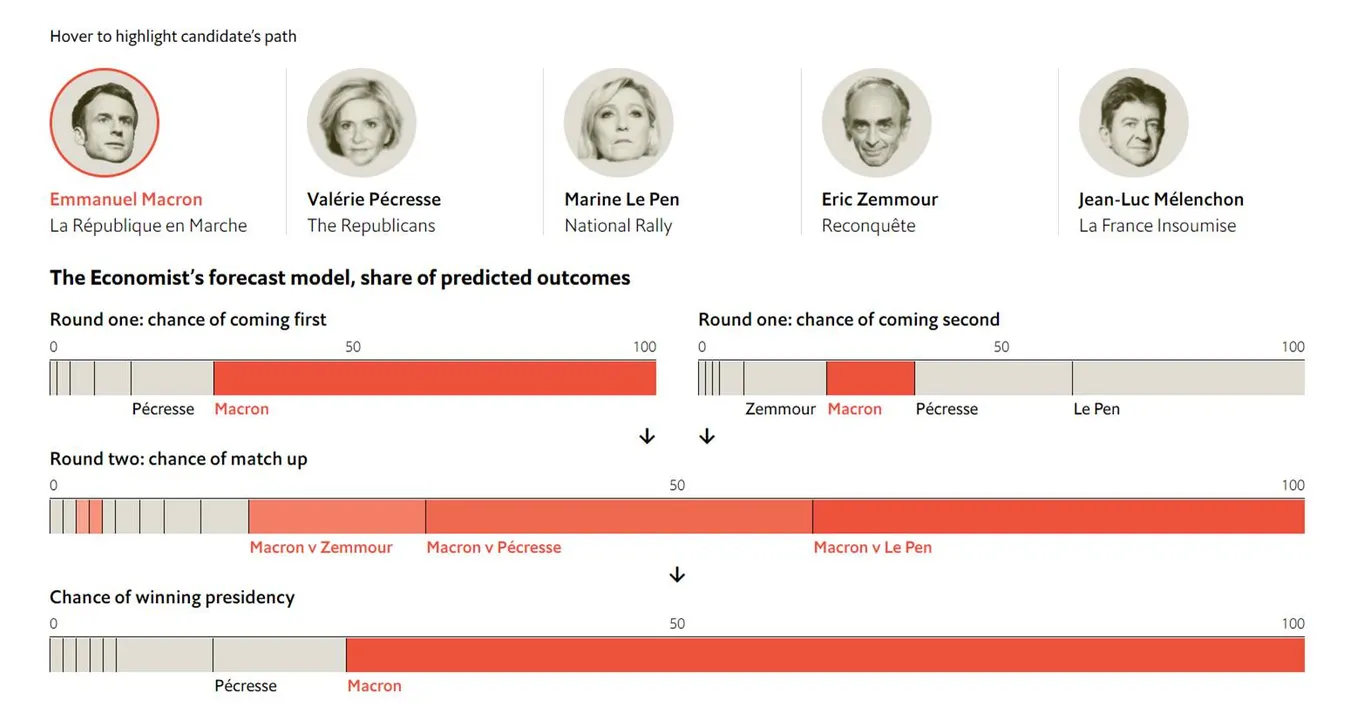
The Economist’s French presidential election model forecasts a 79% chance of victory for Emmanuel Macron; potentially serious challenge from Valérie Pécresse
Read more


Business Finance, Consumer, Government, Lifestyle, Technology, Transport, Travel, Sustainability, Innovation, Business Finance, Government, Public Sector, Technology, Sustainability, Lifestyle, Consumer, Transport, Travel
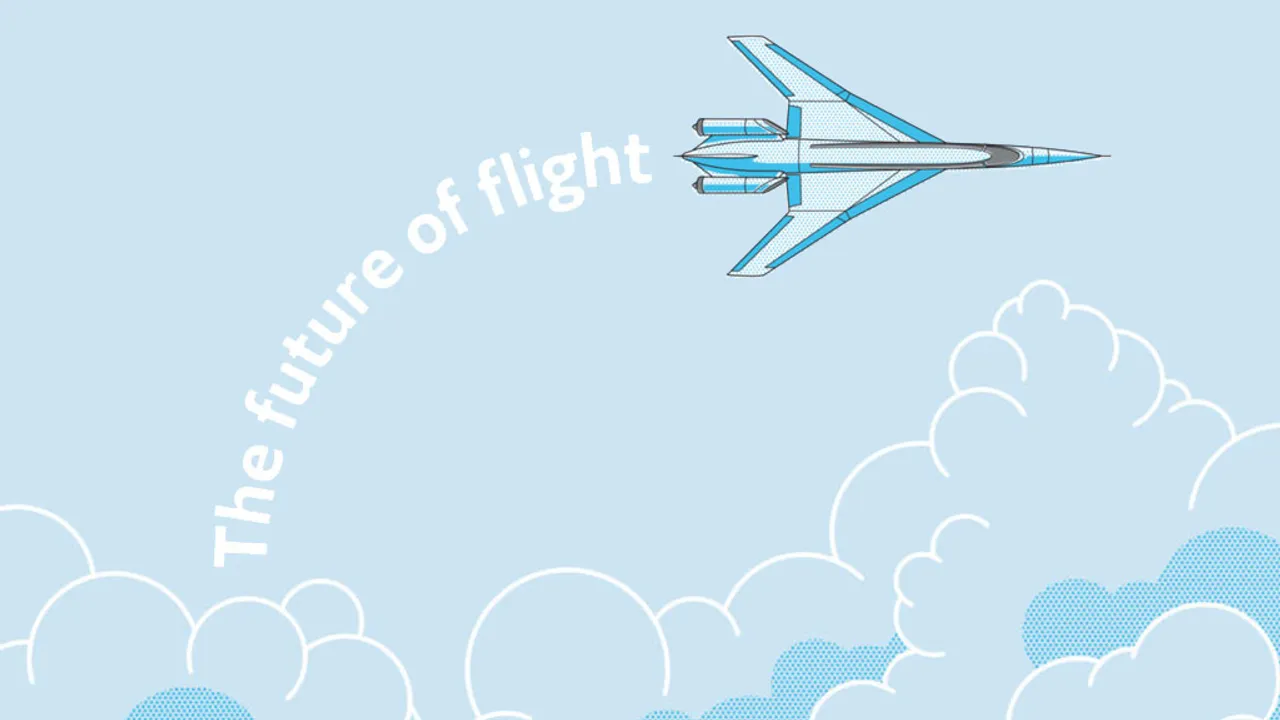
LONDON, UNITED KINGDOM - May 30th 2019 - The last truly disruptive technology in aviation was the jet engine. Superficially at least, passenger jets still look much the same as they did in the 1960s. In fact, they have changed profoundly and planes are now much safer and cheaper to fly. The Economist today published a Technology Quarterly report examining where the next big thing in aviation is likely to come from.
Aircraft are among the most complicated machines built by man. If they fail, the consequences can be devastating, as the recent crashes of two Boeing 737-Max passenger jets have shown. Civil-aircraft design is thus trying to strike a balance between a strong need to maximise safety and the desire, in a cut-throat market with low profit margins, to save money on both fuel consumption and crewing levels.
According to the report’s author, The Economist’s science editor Geoffrey Carr, the result is outward conservatism (modern transcontinental airliners look pretty similar to those of the 1950s) combined with inward innovation (airframe materials and construction methods, engine design and operation, and electronic flight-control systems have all been transformed). This process is continuing. For example, the next decade will probably see the introduction of electric propulsion for short-haul journeys.
It remains to be seen how far passengers will be willing to go with another technological trend, the automation of flight and the consequent possibility of making pilots optional. Prospects will depend in part on the success of automated flight in the military sphere, where experiments are easier to conduct. If military aircraft were to become routinely and safely pilotless, civil planes might follow.
Meanwhile, two little-reported technological developments are likely to bring about changes in civil aviation in parts of the market which are currently unserved. One is the emergence of unconventionally designed one- or two-seater aircraft that will embody the long-heralded idea of “flying cars”, either as individually owned personal transport or as flying taxis. The other is the construction of supersonic passenger aircraft.
Carr’s assessment is that the future of mainstream aviation looks bright. Despite recent tragedies, flying is getting safer. It is also getting cheaper and, at least on per passenger-kilometre basis, greener. The Hegelian synthesis of technological conservatism and innovation that governs the field, is both literally and metaphorically, delivering.
Geoffrey Carr, former science correspondent and former Tokyo correspondent, is The Economist’s science editor. To interview Mr Carr about the Technology Quarterly: Aviation, please contact:
US: Tom Amos at tomamos@economist.com, +1 212 541 0583
UK/rest of world: Holly Donahue at hollydonahue@economist.com, +44 (0) 20 7576 8379
About The Economist
With a growing global audience and a reputation for insightful analysis and perspective on every aspect of world events, The Economist is one of the most widely recognised and well-read current affairs publications in the world. In addition to the weekly print and digital editions and website, The Economist publishes Espresso, a daily news app, Global Business Review, a bilingual English-Chinese product and Economist VR, a virtual-reality app. Economist Radio produces several podcasts a week and Economist Films produces short- and long-form video. The Economist maintains robust social communities on Facebook, Twitter, LinkedIn, Snapchat, LINE, Medium and other social networks. A recipient of many editorial and marketing awards, The Economist was named the most trusted news source by the 2017 Trusting News Project Report.
2 February 2022
2 February 2022
17 November 2021
12 November 2021