2 February 2022
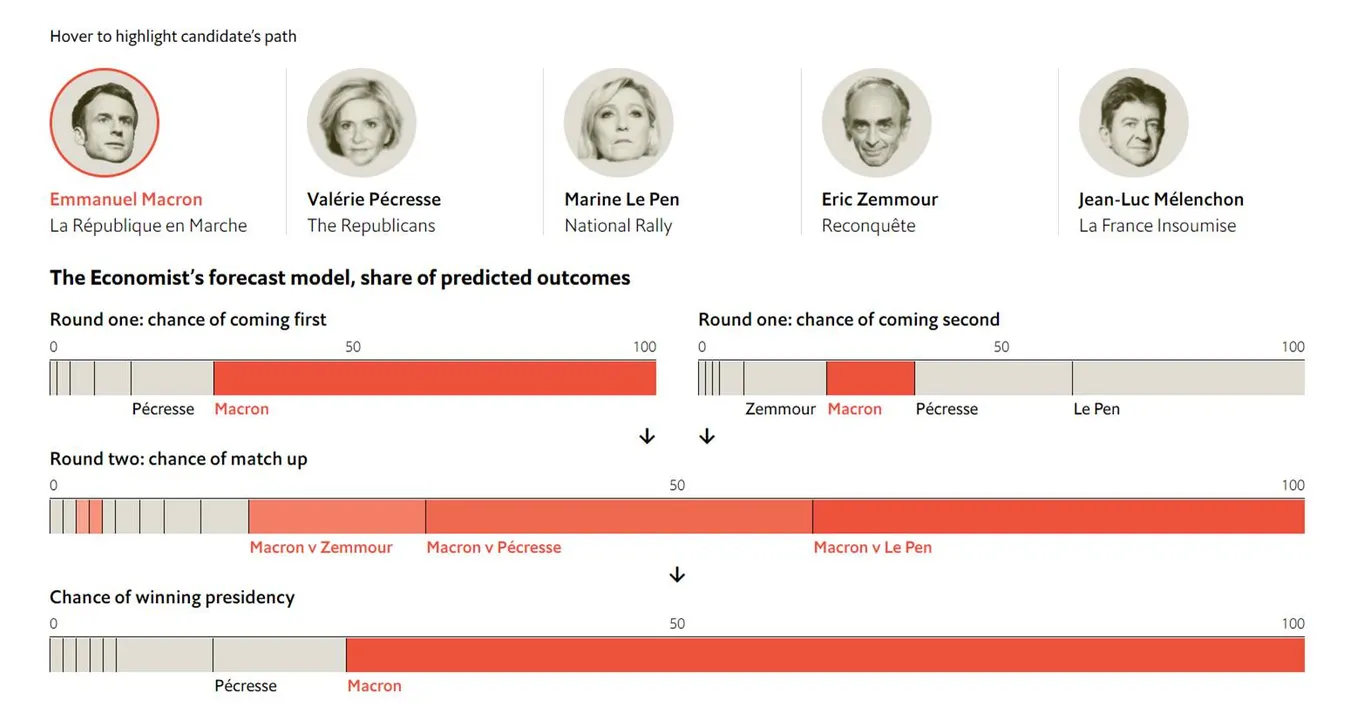
The Economist’s French presidential election model forecasts a 79% chance of victory for Emmanuel Macron; potentially serious challenge from Valérie Pécresse
Read more


Government, Health, Non Profit, Government, Non Profit, Public Sector, Health
June 8, 2018, Abu Dhabi - The ocean, once believed “too big to fail,” is in trouble. Across the world, humans have effected dramatic change upon the seas which cover more than 70% of the planet’s surface. One thing is certain: our current course is unsustainable. Yet the ocean remains a vital resource with the potential to generate enormous economic growth. Balancing human activity with the long-term health of the ocean is essential.
The countdown to 2020 is on, with many of the ambitious targets for the ocean set out by the United Nations under Sustainable Development Goal 14 (SDG14) maturing the year after next. 2020 targets include to “effectively regulate harvesting and end overfishing, illegal, unreported and unregulated fishing and destructive fishing practices” and “conserve at least 10 percent of coastal and marine areas”.
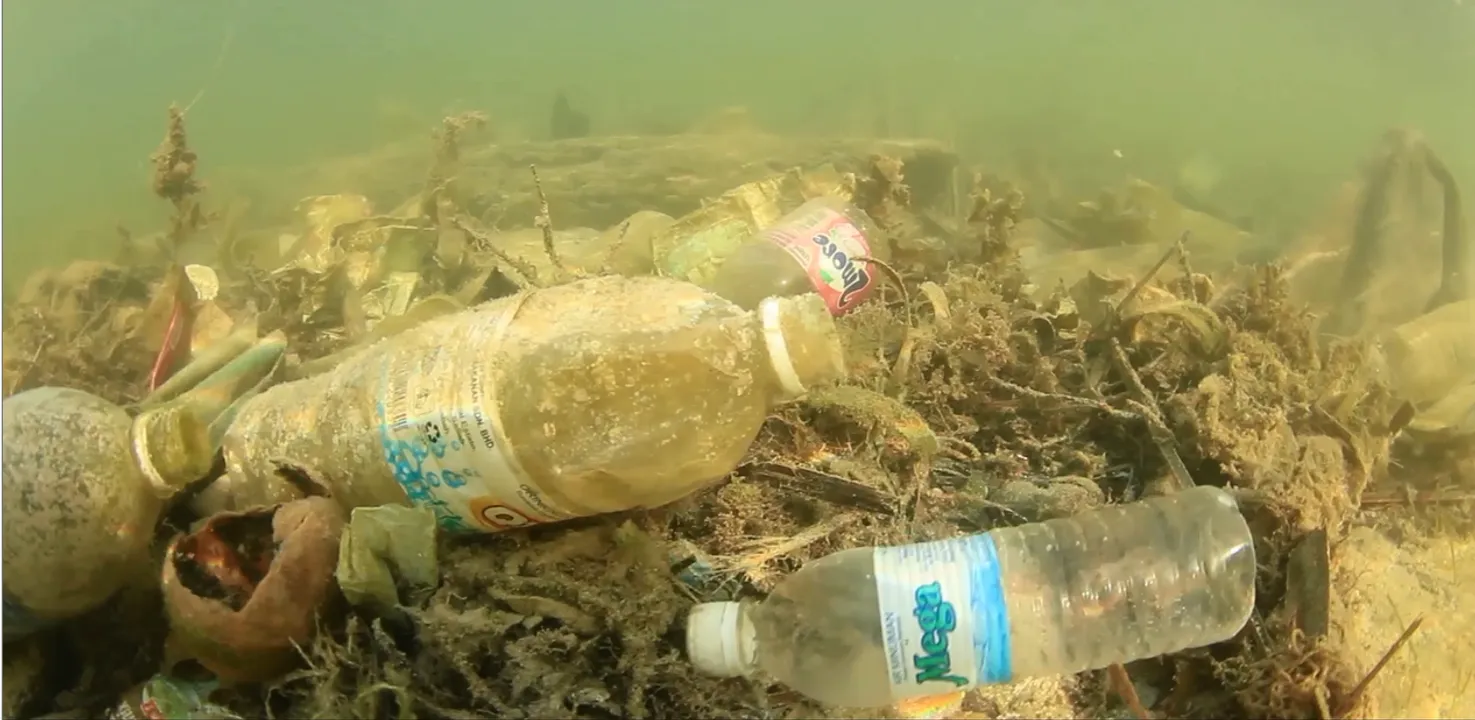
By 2025, the goal is to prevent and significantly reduce marine pollution of all kinds. Eight million metric tons of plastic go into the sea every year, the equivalent of one garbage truck per minute, and the problem is likely to double in the next 10 years without drastic intervention. Ocean plastic has turned up literally everywhere. It has been found in the deep sea and buried in Arctic ice. It has been ingested with dire consequences by some 700 species of marine wildlife. At current rates, by 2050 there could be more plastic than fish in the sea. The issue is solvable but will require coordination across all sectors and at all levels of government, society, businesses, industry.
On the occasion of World Oceans Day, Friday 8th June, the countdown to the 6th World Ocean Summit begins. The multi-day event seeks to focus the sometimes divergent perspectives of business, government and civil society on how we use our troubled seas.
The event takes stock of SDG14 (United Nations Sustainable Development Goal) which pledges to “conserve and sustainably use the oceans, seas and marine resources,for sustainable development” and examines questions such as:
What does SDG14 mean for businesses operating in the ocean?
How can government and industry turn pledges on the ocean into reality?
How can sustainable investment in the ocean be scaled to the size of the ‘green’ investment market?
What role can ‘blue economy’ clusters play in driving progress on the ocean?
What new technologies are enabling progress and driving investment in the ocean?
What climate-related risks are businesses operating in the ocean exposed to, and how can they manage these risks?
Which businesses and industries are having the most success in preserving the ocean environment while improving their profitability? How do they do it?
What might a plastic control plan look like?
In March 2019 the World Ocean Summit will be hosted by the government of Abu Dhabi. According to Charles Goddard, Editorial Director of Global Initiatives at The Economist Group, the Middle East, Gulf States and Northern Africa are areas where the Ocean is in trouble and where there are plenty of existing and new opportunities to positively impact ocean health and for fruitful economic activity.
The Economist has hosted the World Ocean Summit since 2012, leveraging their convening power and reputation to bridge the sometimes dissonant perspectives of government, business and civil society, to take action and solve the trade-off between growth and sustainability. In addition to climate change, ocean plastics and marine debris, the summit will gather leaders for a constructive and solution-focused dialogue on key ocean issues including sustainable seafood, ocean finance, blue economy clusters, ocean governance and technology.
In 2018 the World Ocean Summit has expanded into a wider, more ambitious World Ocean Initiative. Its vision will be of an ocean in robust health and with a vital economy; its goal to accelerate the transition to sustainable use of the ocean.
Every step on the way to 2020, including World Ocean Day and the World Ocean Summit, will help keep up the momentum and drive the commitments to make sure these goals are achieved.
For more information on the World Ocean Initiative and World Ocean Summit or to register to attend in Abu Dhabi in 2019, visit http://www.woi.economist.com/ Videos featuring high level speakers from World Ocean Summit in 2018 in Mexico available to download or embed via YouTube
Marine Plastics: https://youtu.be/FVGtJryjawA
To request an interview, please contact:
Caterina.bergamaschi@tvcgroup.com or
+44 (0)207 380 8000
2 February 2022
2 February 2022
17 November 2021
12 November 2021