2 February 2022
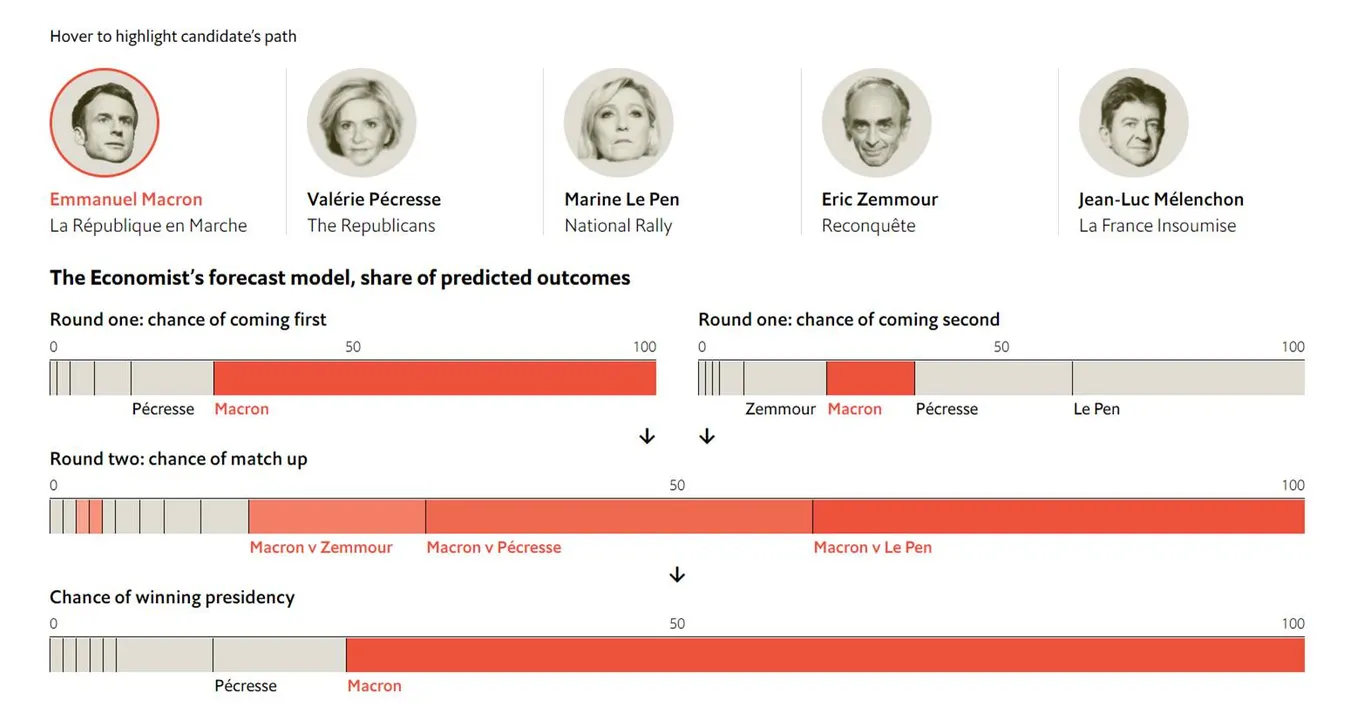
The Economist’s French presidential election model forecasts a 79% chance of victory for Emmanuel Macron; potentially serious challenge from Valérie Pécresse
Read more


Business Finance, Government, Health, Technology, Transport, Sustainability, Innovation, Government, Technology, Sustainability, Health, Transport
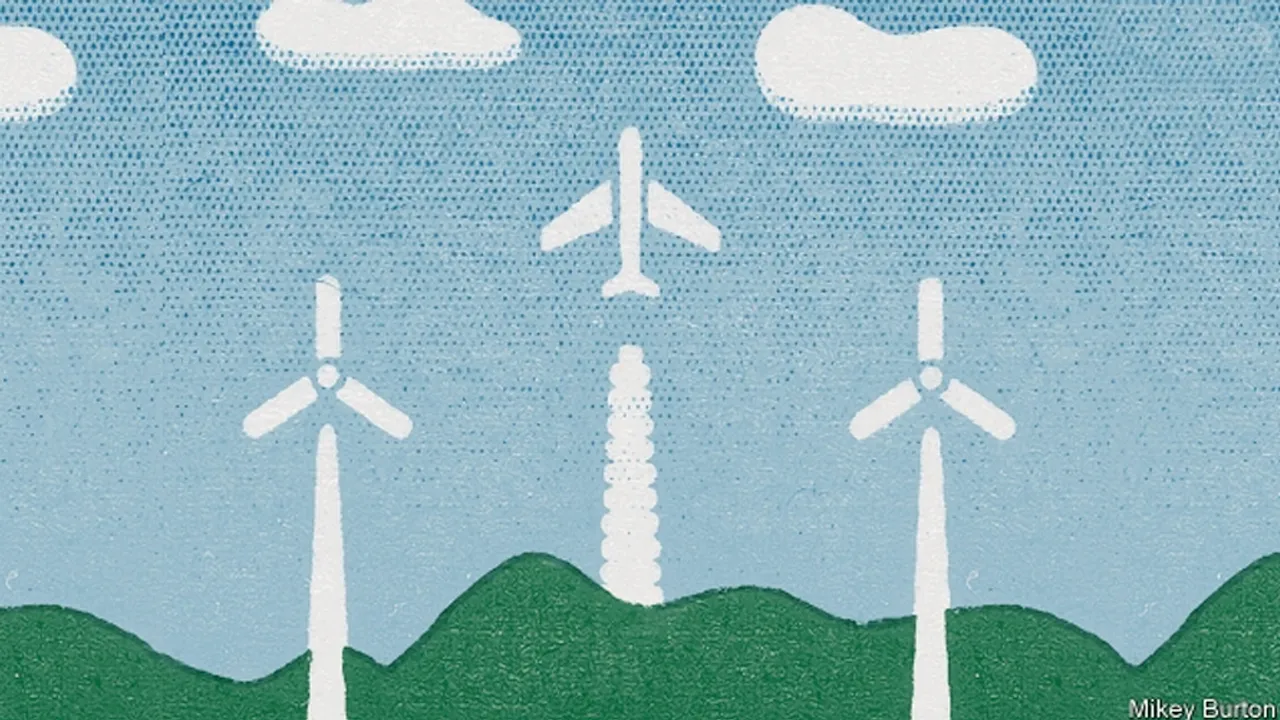
LONDON, UNITED KINGDOM - November 29, 2018 - A new Technology Quarterly report from The Economist published in the December 1st edition and online at www.economist.com, looks at what it would take to decarbonise the global energy system. Henry Tricks, The Economist’s former energy and commodities editor, warns that, to limit global warming to less than 2℃, total emissions from global industrial energy use alone will have to be 50-80% lower by 2050.
Most of the current policy focus is on renewable energy, electric vehicles and batteries, which are becoming cheaper and more efficient. However, numerous sectors get less attention: heavy industry, freight transport, residential heating and aviation, all of which are massive producers of carbon dioxide, and are sluggish in adopting green strategies.
The world is moving far too slowly to address the problem, he warns. As energy use increases, it requires a level of political commitment that does not yet exist. It also needs a huge improvement in ways to reduce the existing stock of carbon dioxide in the atmosphere.
In order to achieve net-zero emissions, Mr Tricks says governments, entrepreneurs and financiers would need to throw their full weight behind the following technologies:
* Zero-carbon electricity, including renewables and nuclear power, with storage
* Carbon-neutral fuels, especially hydrogen as a substitute for natural gas
* Biofuels and synthetic hydrocarbons
* Carbon capture, sequestration and negative emissions
This Technology Quarterly, “Towards zero emissions”, argues that the obstacles to decarbonisation of the energy sector are not insurmountable, and that tackling them would bring major economic benefits.
For more information and to interview Henry Tricks on this topic, please contact:
Tom Amos/The Economist (US), tomamos@economist.com /+1 212 541 0583
Holly Donahue/The Economist (UK), hollydonahue@economist.com /+44 (0) 20 7576 8379
About The Economist (www.economist.com)
With a growing global circulation and a reputation for insightful analysis and perspective on every aspect of world events, The Economist is one of the most widely recognised and well-read current-affairs publications. The paper covers politics, business, science and technology, as well as books and arts, concluding each week with an obituary. In addition to the web-only content such as blogs, debates and audio/video programmes available on the website, The Economist is available to download for reading on Android, Blackberry PlayBook, iPhone or iPad devices. The Economist Espresso, our daily briefing smartphone app, is also available for download via iTunes App Store or Google Play.
2 February 2022
2 February 2022
17 November 2021
12 November 2021