2 February 2022
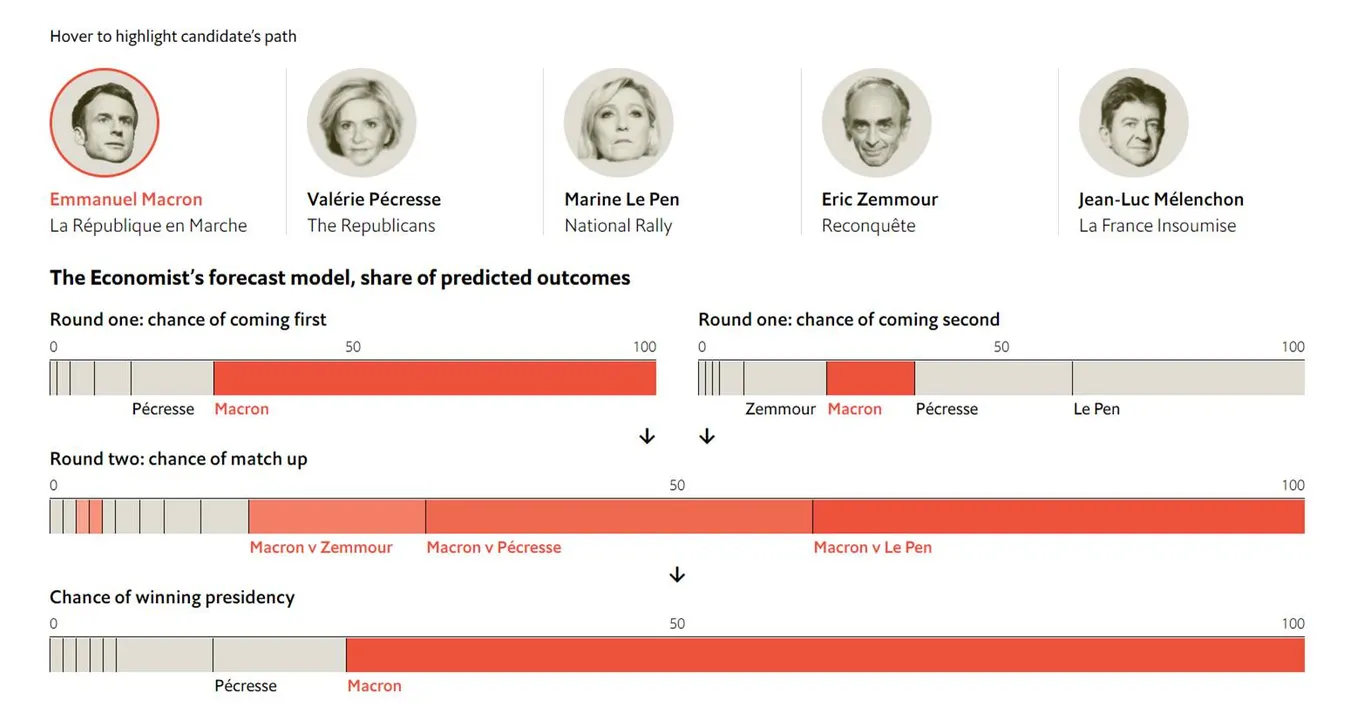
The Economist’s French presidential election model forecasts a 79% chance of victory for Emmanuel Macron; potentially serious challenge from Valérie Pécresse
Read more


Business Finance, Consumer, Government, Health, Technology, Sustainability, Innovation, Business Finance, Government, Public Sector, Technology, Sustainability
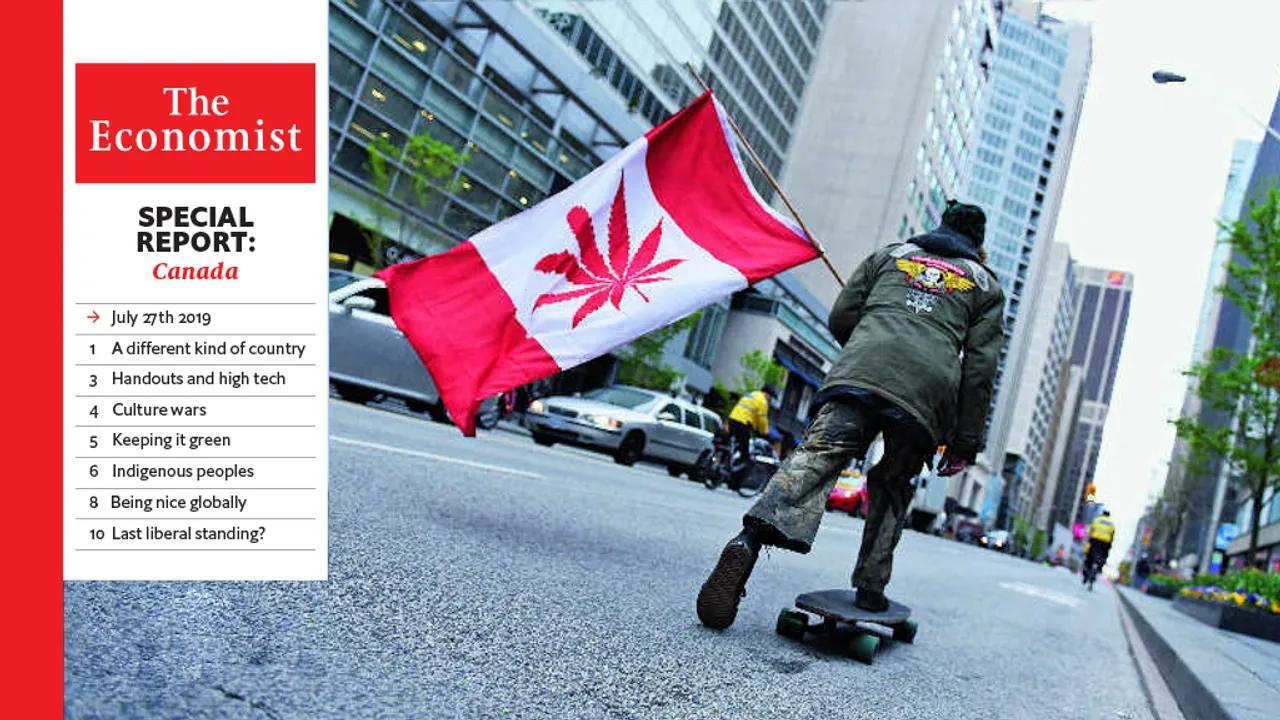
LONDON, UNITED KINGDOM - July 25th, 2019 - “The liberal north”, a new Special Report from The Economist published in the July 27th edition and online at economist.com, asks whether Canada will remain a haven of liberal values that are being challenged in other rich countries. The parliamentary election due in October will be a test of those values, writes Brooke Unger, Americas editor. In nearly four years as prime minister, Justin Trudeau has brought about significant change. His government has legalised medically assisted suicide and cannabis for recreational use. It has moved global warming from the periphery of policy to the centre. While continuing Canada’s commitment to globalisation by liberalising trade, the government has also moved leftwards, by redistributing more income and tolerating budget deficits. Mr Trudeau raised already high levels of immigration and made refugees welcome. He has sought to reduce tensions with Donald Trump, but has also cast himself as one of the main challengers to the values that the American president represents. As the election approaches, the world will be watching “in order to determine whether doing the right thing ends up with the right results”, says Bill Morneau, the finance minister. Yet Mr Trudeau’s sort of liberalism is under assault on several fronts. The French-speaking province of Quebec has challenged his cuddly multiculturalism by banning some public servants from wearing religious symbols. Disquiet about immigration may feature in the election campaign. Andrew Scheer, Mr Trudeau’s Conservative rival, rejects his policy of imposing a national price on carbon emissions, as do a number of provincial premiers. Mr Scheer is not Mr Trump. Yet on such issues as climate change, gun control, immigration and foreign policy he represents less of a contrast with the American president than does Mr Trudeau. A Scheer-led government would present a different face to the world. Faced with a Trumpian reality to the south, Canada is asking questions about its own identity. Has Mr Trudeau succeeded in selling his liberal vision of the nation? And can it continue to be a liberal beacon to the world? Mr Unger argues that even if Mr Trudeau loses, Canadian liberalism is so deep-rooted that it does not depend on a Liberal Party victory. Liberals around the world will still look to the Canadian example. You can read the full report here. For more information and to interview Brooke Unger on this topic, please contact: Tom Amos/The Economist (US), tomamos@economist.com /+1 212 541 0583 Holly Donahue/The Economist (UK), hollydonahue@economist.com /+44 (0) 20 7576 8379 About The Economist (www.economist.com) With a growing global audience and a reputation for insightful analysis and perspective on every aspect of world events, The Economist is one of the most widely recognised and well-read current affairs publications in the world. In addition to the weekly print and digital editions and website, The Economist publishes Espresso, a daily news app, Global Business Review, a bilingual English-Chinese product and Economist VR, a virtual-reality app. Economist Radio produces several podcasts a week and Economist Films produces short- and long-form video. The Economist
2 February 2022
2 February 2022
17 November 2021
12 November 2021